Introduction/Overview
In the past half century, the discovery and application of antibiotics have greatly changed the pattern of human resistance to infectious diseases. However, the widespread and even abusive use of antibiotics has led to an increasingly severe problem of bacterial resistance (AMR). The World Health Organization (WHO) has listed AMR as one of the top ten global public health threats. The emergence of "superbugs" such as methicillin-resistant Staphylococcus aureus (MRSA), vancomycin resistant Enterococcus (VRE), and multidrug-resistant (MDR) Gram negative bacteria has greatly reduced the efficacy of traditional antibiotics, posing unprecedented challenges to clinical treatment. In this context, the search for antibacterial lead compounds with novel structures or novel mechanisms of action from natural products has become a hot topic and focus in the field of drug development.
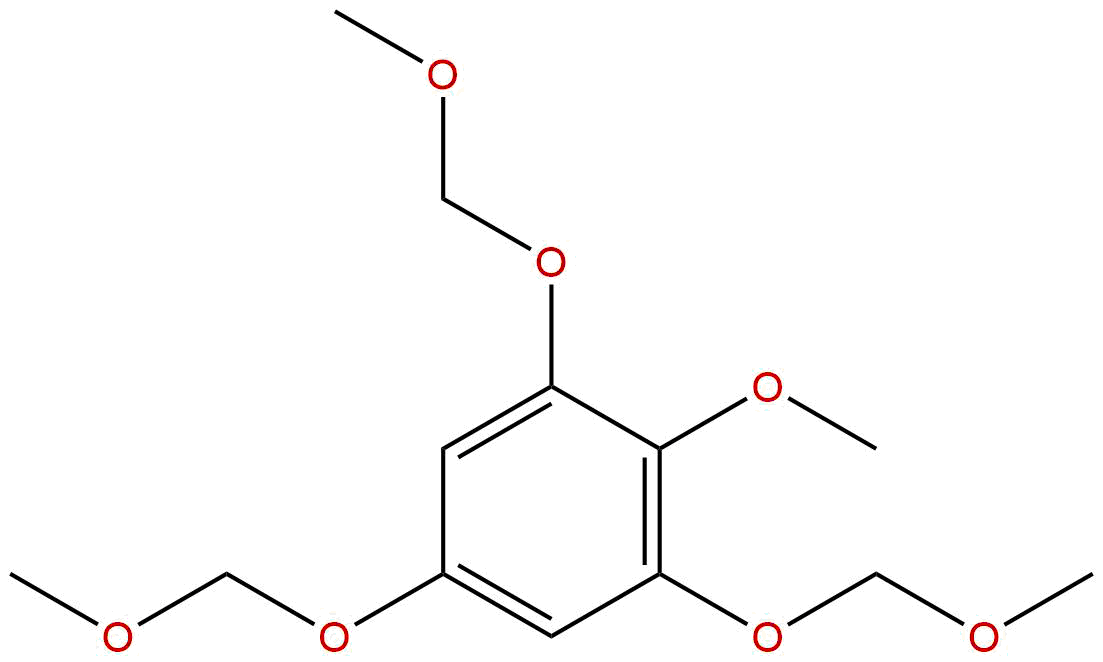
Natural products, especially plant secondary metabolites, have always been an important source of drug discovery due to their structural diversity and wide range of biological activities. Polyoxybenzenes are an important class of phenolic derivatives found in nature, widely present in various medicinal plants and fragrances. These compounds usually have various pharmacological activities such as antioxidant, anti-inflammatory, anti-tumor, and antibacterial. Among them, 2-methoxy-1,3,5-tris (methoxymethoxy) benzene (MTMB) is a structurally unique benzene derivative. Its molecular structure consists of a central benzene ring and multiple methoxy (- OCH ∝) and methoxymethoxy (- OCH ₂ OCH ∝) substituents. This highly methoxylated structure endows MTMB with unique physicochemical properties and potential biological activity.
Although MTMB is not a well-known classic natural product, its structural characteristics are similar to many plant polyphenolic compounds with antibacterial activity. More importantly, existing research data shows that MTMB exhibits significant inhibitory activity against multiple drug-resistant strains, targeting key pathways such as bacterial DNA gyrase (GYRA/GYPB), dihydrofolate reductase (DHFR), penicillin binding protein (PBP2A/PENA), and efflux pump (NorA). This multi-target mode of action demonstrates unique advantages in dealing with complex drug resistance mechanisms. This article aims to systematically review the chemical structure, physicochemical properties, sources, pharmacological activities, mechanisms of action, and pharmacological characteristics of MTMB, and explore its potential and prospects as a lead compound for drug-resistant bacteria drugs.
Chemical structure and physicochemical properties
The chemical structure of MTMB is the material basis for its biological activity. Its core structure is a 1,3,5-trisubstituted benzene ring, with a methoxy group (- OCH ∝) attached at position 2, and methoxymethoxy groups (- OCH ₂ OCH ∝) attached at positions 1, 3, and 5, respectively. This structure can be considered as a fully methylated derivative of triphenylphenol (1,3,5-trihydroxybenzene), but introduces longer methoxymethoxy side chains. The presence of such side chains not only increases the lipophilicity of the molecule, but may also affect its interaction with biological targets through steric hindrance effects.
From the perspective of physical and chemical properties, the molecular weight of MTMB is 288.2960 Da, which belongs to the category of small molecule compounds and meets the basic requirement for molecular weight in Lipinski's "Five Rules" (<500 Da). Its lipid water partition coefficient (LogP) is 1.3713, indicating that the molecule has moderate lipophilicity. A LogP value between 1-3 is generally considered the ideal range for oral drug absorption, which ensures penetration through biofilms without causing poor water solubility or increased toxicity due to excessive lipophilicity. The topological polar surface area (TPSA) of MTMB is 64.6100 Å ². TPSA is an important parameter for measuring the ability of molecules to form hydrogen bonds, and molecules with TPSA below 140 Å ² are generally considered to have good intestinal absorption and blood-brain barrier penetration potential. The TPSA value of MTMB indicates that it has good membrane permeability. The water solubility data is 1.2286 mg/mL, indicating moderate water solubility, which is advantageous for the development of drug formulations.
In addition, the blood-brain barrier (BBB) penetration in the pharmacological parameters was evaluated as "high", suggesting that MTMB may have central nervous system (CNS) activity or potential CNS side effects. The hERG inhibition assessment is' no ', which is a positive signal indicating a lower risk of MTMB in terms of cardiac toxicity. The Ames test result is 0.6, which is usually considered negative (non mutagenic) if the Ames test value is less than 0.5. 0.6 is near the critical value, indicating a slight genetic toxicity risk that needs to be addressed and validated in subsequent development.
Plant sources and extraction methods
There is currently insufficient publicly available literature on the specific plant sources of MTMB. However, based on its structural characteristics, it is highly likely that it originated from certain plants rich in multi methoxy flavonoids or phenylpropanoids. For example, methoxybenzene derivatives with similar structures can often be isolated from Rutaceae plants (such as citrus), Apiaceae plants, Zingiberaceae plants, and certain ferns. These compounds typically exist as chemical defense substances for plants to resist the invasion of pathogenic microorganisms.
The method of extracting MTMB usually follows the classic process of natural product chemistry. Firstly, the dried plant material is crushed and extracted using organic solvents. Given that the LogP value of MTMB is 1.37, which belongs to the category of moderately polar compounds, commonly used extraction solvents include methanol, ethanol, ethyl acetate, or their mixed solvents. Both cold soaking and reflux extraction methods can be used, with reflux extraction being more efficient. The crude extract was obtained by vacuum concentration of the extraction solution.
Further separation and purification usually rely on the combination of multiple chromatographic techniques. Silica gel column chromatography is the most commonly used preliminary separation method, which uses different polarity eluents (such as petroleum ether ethyl acetate or chloroform methanol gradient system) to segment crude extracts. The fraction containing MTMB can be preliminarily localized by thin layer chromatography (TLC) combined with a chromogenic agent (such as sulfuric acid ethanol solution). Subsequently, Sephadex LH-20 gel column chromatography can be used for molecular sieve separation, or reversed phase silica gel (such as ODS) column chromatography can be used for finer separation. Ultimately, obtaining high-purity MTMB often requires the use of preparative high-performance liquid chromatography (HPLC). The confirmation of its structure relies on nuclear magnetic resonance spectroscopy (NMR, including ¹ H-NMR, ¹ ³ C-NMR, DEPT, HMBC, HSQC, etc.) and high-resolution mass spectrometry (HR-MS) techniques.
Pharmacological activity research
The core pharmacological activity of MTMB is mainly reflected in its potential to combat drug-resistant bacteria. Existing research data indicates that MTMB has broad-spectrum inhibitory activity against multiple drug-resistant strains.
Firstly, MTMB exhibits strong activity against Gram positive drug-resistant bacteria. Methicillin resistant Staphylococcus aureus (MRSA) is one of the most difficult drug-resistant bacteria in clinical infections, and its resistance mechanism mainly involves obtaining exogenous mecA genes, encoding the low affinity penicillin binding protein PBP2a, which makes it resistant to all β - lactam antibiotics. The inhibitory effect of MTMB on MRSA may be achieved by directly targeting the PBP2a protein. In addition, MTMB may also be effective against vancomycin resistant enterococci (VRE), and its targets may involve other key enzymes involved in cell wall synthesis, such as PENA and FEMA.
Secondly, MTMB also exhibits activity against Gram negative drug-resistant bacteria. The outer membrane structure of Gram negative bacteria is an important barrier to their inherent drug resistance. MTMB can overcome this barrier, which may be related to the inhibitory effects of DNA gyrase and topoisomerase IV. DNA gyrase, composed of GyrA and GyrB subunits, is an essential enzyme for bacterial DNA replication and a classic target of quinolone antibiotics. The targeting effect of MTMB on GYRA and GYPB suggests that it may have an antibacterial mechanism similar to quinolones, but with completely different chemical structures, which provides a possibility for it to avoid existing quinolone resistance.
In addition, the inhibitory effect of MTMB on dihydrofolate reductase (DHFR) is also worth noting. DHFR is a key enzyme in the folate metabolism pathway, catalyzing the reduction of dihydrofolate to tetrahydrofolate, which is an essential coenzyme for nucleic acid synthesis. Inhibition of DHFR can block bacterial DNA and RNA synthesis. The targeting effect of MTMB on DHFR gives it a similar antibacterial mechanism to trimethoprim, but may have a broader antibacterial spectrum or lower resistance incidence.
Another important pharmacological activity is the inhibitory effect of MTMB on bacterial efflux pumps. Extracellular pump is one of the important mechanisms for bacteria to develop multidrug resistance, which can actively pump various structurally different antibiotics out of the cell and reduce intracellular drug concentration. NorA is the main multidrug efflux pump in Staphylococcus aureus. The inhibitory effect of MTMB on NorA means that it can not only exert antibacterial effects on its own, but also serve as an "adjuvant" to restore the sensitivity of traditional antibiotics to resistant bacteria. The mode of action of this "antibiotic enhancer" has extremely high clinical value in dealing with complex drug-resistant bacterial infections.
Mechanism of action and molecular targets
The multi-target mechanism of action of MTMB is a significant feature that distinguishes it from traditional single target antibiotics, and it is also the fundamental reason for its advantages in dealing with drug-resistant bacteria. Based on the existing target information, its mechanism of action can be summarized as follows:
-
Inhibition of DNA replication: Targeting DNA gyrases (GYRA/GYPB)DNA gyrase is a type II topoisomerase unique to bacteria, responsible for introducing negative supercoils during DNA replication to alleviate torsional stress during fork advancement. The GYRA subunit is responsible for DNA cleavage and rewiring, while the GYPB subunit is responsible for ATP hydrolysis to provide energy. MTMB may interfere with the formation or catalytic activity of enzyme ATP complexes by binding to GYRA or GYPB, thereby blocking DNA replication and leading to bacterial death. This is similar to the mechanism of action of quinolone drugs, but the binding site may be different, thus avoiding cross resistance with quinolones.
-
Inhibition of folate metabolism: targeting dihydrofolate reductase (DHFR)DHFR is the rate limiting enzyme in the folate metabolism pathway. MTMB may competitively inhibit the activity of DHFR by simulating dihydrofolate substrates or binding to the active site of enzymes. This will lead to the obstruction of tetrahydrofolate synthesis, which in turn affects the synthesis of thymidine nucleotides, purine nucleotides, and certain amino acids, ultimately inhibiting bacterial growth and reproduction.
-
Inhibition of cell wall synthesis: targeting penicillin binding protein (PBP2a/PENA)PBP2a is a key protein for MRSA resistance and has extremely low affinity for beta lactam antibiotics. MTMB may bind to the transpeptidase active site of PBP2a through a chemical group different from the β - lactam ring, inhibiting its function of catalyzing peptidoglycan cross-linking and thus disrupting the integrity of the cell wall. Similarly, inhibition of PENA (an enzyme involved in cell wall synthesis) also enhances this effect.
-
Inhibition of efflux pump: targeting NorA NorA efflux pumps belong to the major facilitator superfamily (MFS) and rely on proton driven forces to expel substrates. MTMB may act as a substrate analogue of NorA, competitively occupying its substrate binding site, thereby preventing other antibiotics (such as ciprofloxacin) from being pumped out. Alternatively, MTMB may directly inhibit its function by interfering with proton driving forces or altering the conformation of pump proteins. The inhibitory activity of this efflux pump is the core mechanism of MTMB as an "antibiotic enhancer".
-
Other potential targets SRTB (Sortase B) is a transpeptidase responsible for anchoring surface proteins to the cell wall, which is associated with bacterial adhesion and virulence. VRA (Vancomycin Resistance Associated protein) is associated with vancomycin resistance. The action of MTMB on these targets further expands its antibacterial spectrum and resistance mechanism.
In summary, MTMB forms a "multi pronged" attack mode by simultaneously acting on multiple key pathways such as DNA replication, folate metabolism, cell wall synthesis, and efflux pumps. This multi-target mechanism makes it difficult for bacteria to develop complete drug resistance through a single gene mutation, greatly reducing the risk of drug resistance development.
Evaluation of drug properties and pharmacokinetics
To push MTMB from laboratory research to clinical application, a systematic evaluation of its drug-induced and pharmacokinetic properties (ADME) is required. Based on the existing parameters, we can make preliminary predictions and analyses.
Drugability assessment:
- drug-likeness The molecular weight (288.3 Da), LogP (1.37), and TPSA (64.6 Å ²) of MTMB all conform to the Lipinski Five Rules (molecular weight<500, LogP<5, hydrogen bond donor<5, hydrogen bond acceptor<10), indicating its good oral bioavailability potential. Its water solubility (1.23 mg/mL) is also within an acceptable range.
- safety The inhibition of hERG as' no 'is a significant benefit, reducing the risk of cardiac toxicity. The Ames test result is 0.6, which is on the critical positive edge, indicating a possible risk of genetic toxicity. This needs to be rigorously validated in subsequent in vitro and in vivo genetic toxicity tests, such as micronucleus tests and chromosome aberration tests. If genetic toxicity is confirmed, structural modifications are needed to eliminate the risk.
- Blood-brain barrier penetrability High BBB penetration is a double-edged sword. If MTMB is used to treat central nervous system infections, this is an advantage; But if used to treat systemic infections, it may lead to unnecessary CNS side effects. Therefore, the localization of its indications is crucial.
Pharmacokinetic prediction:
- absorb Based on its moderate LogP and good water solubility, MTMB is expected to have good solubility and permeability in the gastrointestinal tract, with good oral absorption. It may be absorbed through passive diffusion or carrier mediated transport.
- distribution High BBB penetration indicates a large apparent volume of distribution (Vd), which can be widely distributed in tissues throughout the body, including brain tissue. The plasma protein binding rate still needs to be experimentally determined.
- Metabolism MTMB contains multiple methoxy and methoxymethoxy groups. These functional groups may undergo extensive metabolism in the body. The main metabolic pathways may include: O-demethylation (catalyzed by cytochrome P450 enzymes such as CYP2D6 and CYP3A4), which converts methoxy groups to hydroxyl groups; And the hydrolysis of methoxymethoxy groups produces corresponding hydroxymethyl or aldehyde metabolites. These metabolites may have different pharmacological activities and toxicity. Therefore, metabolic stability is one of the key points for evaluating the pharmacological properties of MTMB.
- excretion MTMB and its metabolites may be primarily excreted through the kidneys (urine) and/or bile (feces). Its half-life (t ₁/₂) and clearance rate (CL) need to be determined through animal experiments.
Overall, MTMB has a good pharmacological basis, especially in terms of physicochemical properties and preliminary safety (hERG). However, its potential genetic toxicity risk and complex metabolic characteristics are key issues that need to be addressed. Future research should focus on: 1) searching for derivatives with stronger activity, lower toxicity, and more stable metabolism through structure-activity relationship (SAR) studies; 2) Conduct in vivo pharmacokinetic and toxicological evaluations of the system.
Clinical application prospects and prospects
MTMB, as a natural product derivative with multi-target antimicrobial activity, has broad clinical application prospects but also faces many challenges.
Application Prospects:
1. Resistance to multidrug-resistant bacterial infections The potential activity of MTMB against "superbugs" such as MRSA and VRE makes it a promising new weapon for combating clinically challenging infections. In particular, its potential as an "antibiotic enhancer" can be combined with traditional antibiotics such as beta lactams and fluoroquinolones to restore their sensitivity to resistant bacteria, thereby extending the lifespan of existing antibiotics.
2. Topical preparations for local use Due to its potential genetic toxicity risk, MTMB may not be suitable as a systemic drug. But its good skin penetration and antibacterial activity make it very suitable for development as an external preparation for the treatment of skin and soft tissue infections (such as boils, abscesses, wound infections caused by MRSA), acne, tinea pedis, etc.
3. Anti biofilm infection Many drug-resistant bacteria, such as MRSA and Pseudomonas aeruginosa, can form biofilms, leading to chronic refractory infections. The inhibitory effect of MTMB on cell wall synthesis and efflux pumps may help to disrupt the structure of biofilms or inhibit their formation, thus being used for the treatment of infections related to biofilms, such as catheter-related infections, chronic osteomyelitis, etc.
4. Anti tuberculosis Mycobacterium Given its inhibitory effects on DHFR and DNA gyrase, MTMB may also have activity against Mycobacterium tuberculosis, which is worthy of further research.
Future research directions:
1. Research on Structural Optimization and Structure Performance Relationship Using MTMB as the parent nucleus, through chemical synthesis methods, systematically modify its substituents (such as changing the length of methoxymethoxy, introducing other heteroatoms, changing substitution positions, etc.), establish a compound library, and screen for lead compounds with higher activity, lower toxicity, and more stable metabolism.
2. In depth mechanism research Using techniques such as molecular docking, molecular dynamics simulation, surface plasmon resonance (SPR), or isothermal titration calorimetry (ITC), accurately elucidate the binding modes and kinetics of MTMB with various targets (such as PBP2a, GyrA, NorA).
3. In vivo efficacy and safety evaluation Establish animal models of MRSA, VRE and other drug-resistant bacterial infections (such as mouse skin infection model, thigh infection model, sepsis model), and systematically evaluate the in vivo efficacy, pharmacokinetic characteristics, and acute/chronic toxicity of MTMB and its derivatives.
4. Combination therapy research Systematically study the synergistic effects of MTMB with different types of antibiotics (such as beta lactams, vancomycin, linezolid, ciprofloxacin, etc.) to determine the optimal compatibility scheme and administration strategy.
5. Formulation development Develop targeted delivery systems (such as liposomes and nanoparticles) to address its potential genetic toxicity, increase the local concentration of drugs at the site of infection, and reduce systemic exposure and toxicity.
Conclusion
2-methoxy-1,3,5-tris (methoxymethoxy) benzene (MTMB), as a structurally unique natural product derivative, provides new ideas for addressing the increasingly severe bacterial resistance crisis through its multi-target anti drug mechanism. It exhibits great potential in combating multidrug-resistant bacteria, especially MRSA, by simultaneously inhibiting DNA replication, folate metabolism, cell wall synthesis, and efflux pump function. Preliminary pharmacological evaluation shows that MTMB has good physicochemical properties and low risk of hERG cardiac toxicity, but potential genetic toxicity issues need to be given special attention.
Although the road from laboratory discovery to clinical application is long and challenging, the multi-target and anti drug resistance strategy represented by MTMB is undoubtedly an important direction for the future development of anti infective drugs. Through in-depth structural optimization, mechanism research, and safety evaluation, MTMB and its derivatives are expected to become important candidate molecules for the new generation of antibiotic resistant drugs, contributing to global public health. Future research needs to focus on overcoming its potential toxicity and exploring its application value in combination therapy and local treatment.