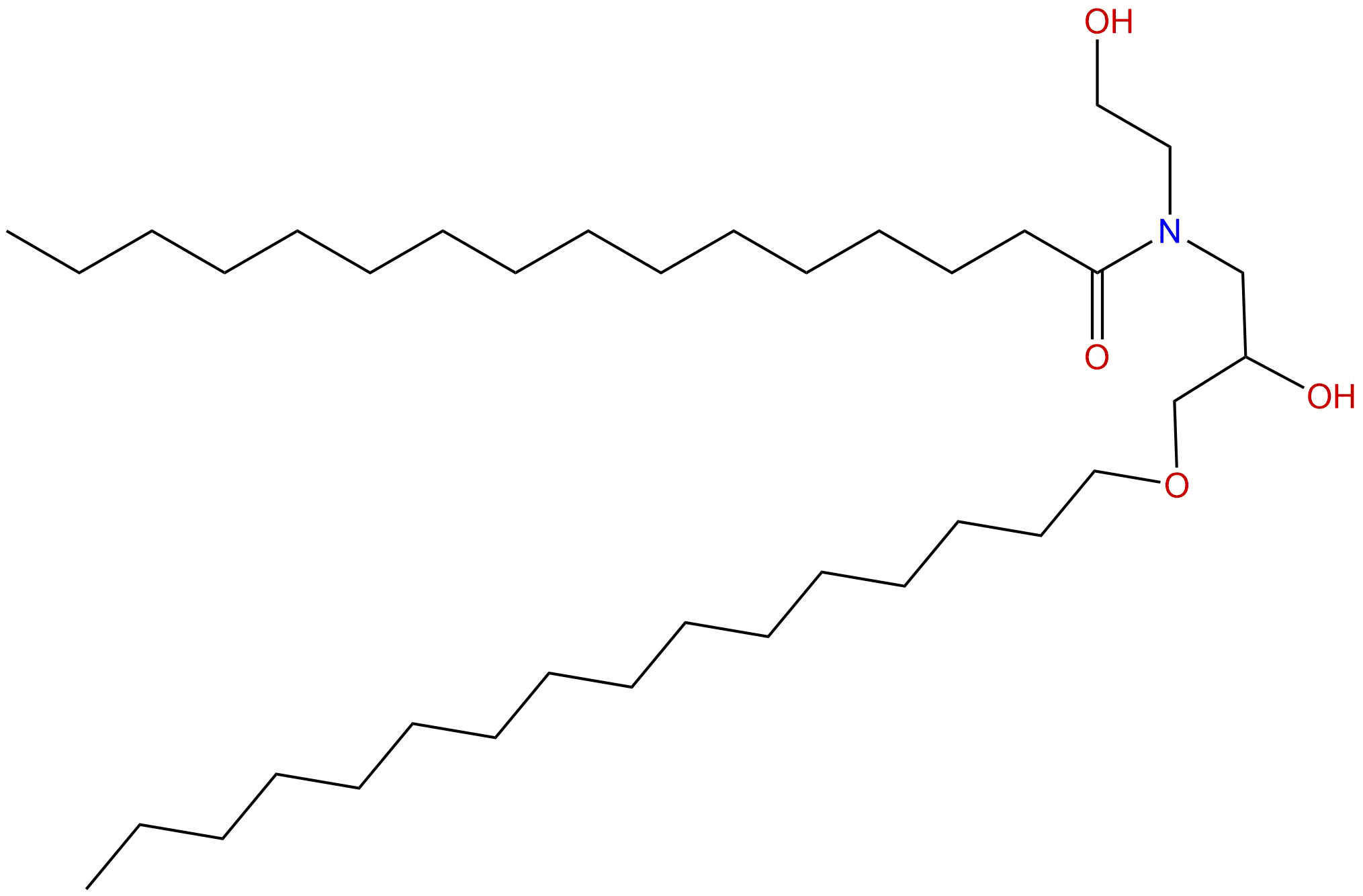


Product name: Sphingolipid E
Synonym name: Sofcare Ceramide SL-E; Cetyl-PG hydroxyethyl palmitamide
Catalogue No.: BP5435
Cas No.: 110483-07-3
Formula: C37H75NO4
Mol Weight: 598.01
Botanical Source:
Type of Compound:
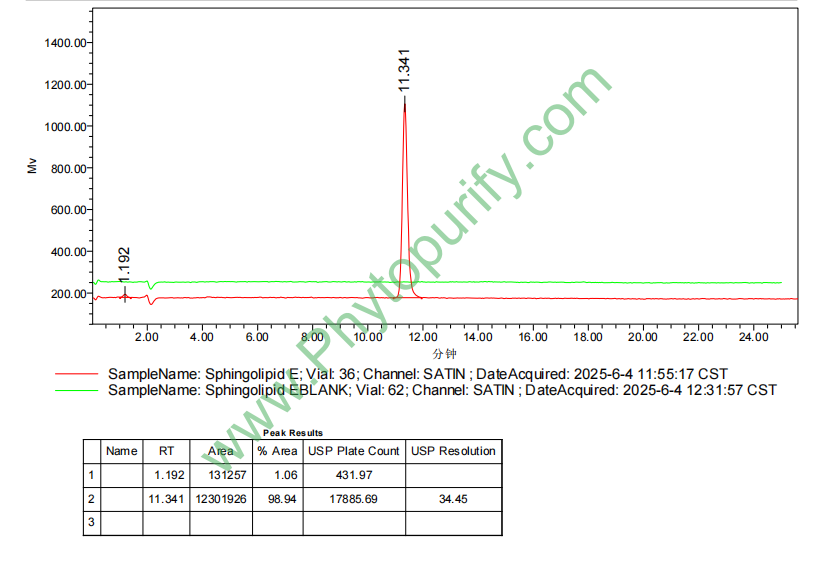
Purity: 95%~99%
Analysis Method: HPLC-DAD or/and HPLC-ELSD
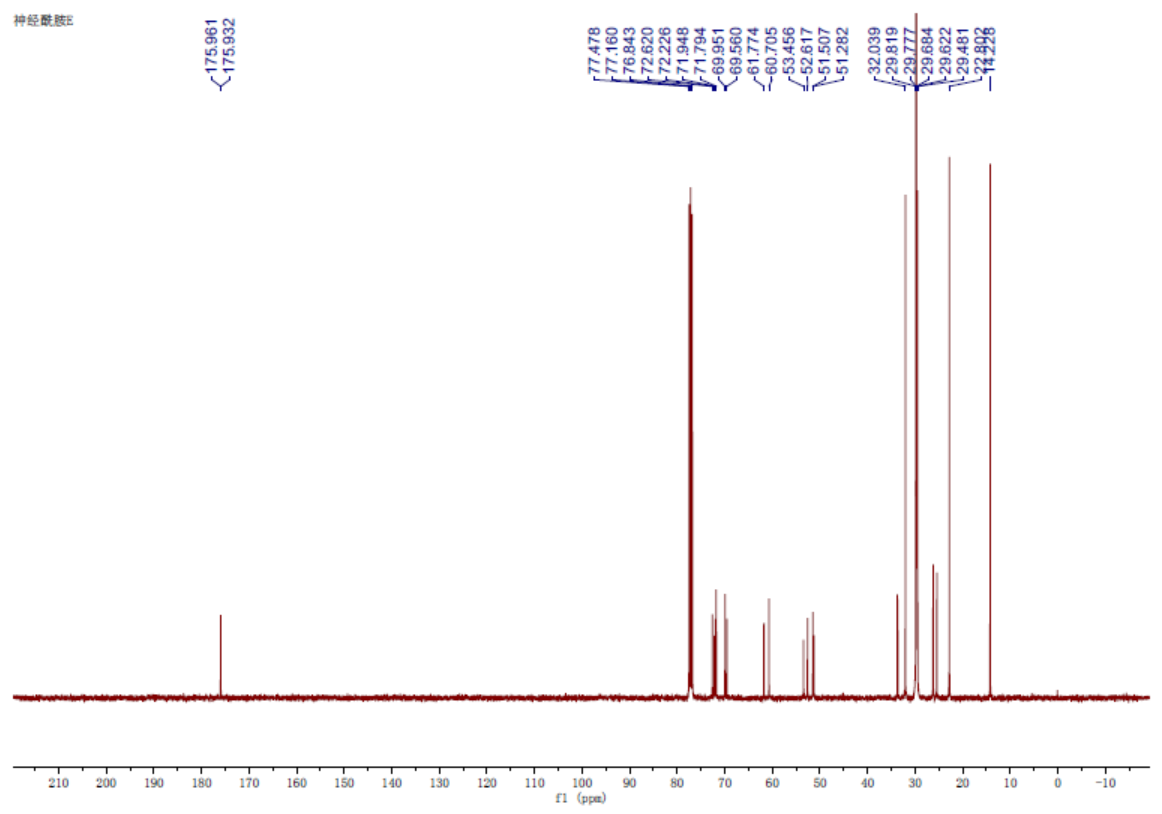
Identification Method: Mass, NMR
Packing: Brown vial or HDPE plastic bottle
Storage: Store in a well closed container, protected from air and light. Put into refrigerate or freeze for long term storage.
Whenever possible, you should prepare and use solutions on the same day. However, if you need to make up stock solutions in advance, we recommend that you store the solution as aliquots in tightly sealed vials at -20℃. Generally, these will be useable for up to two weeks.
The product could be supplied from milligrams to grams
Inquire for bulk scale.
For Reference Standard and R&D, Not for Human Use Directly.
HPLC of Sphingolipid E
NMR of Sphingolipid E
Storage conditions:Short-term storage at 2~8℃, long-term storage at -20 ~ -80℃
86.1700
10.0000
No
Unknown
Unknown
Unknown
Unknown
No
Unknown
Unknown
As the largest organ in the human body, the skin's outermost stratum corneum forms the primary barrier against external environmental invasion. The structural integrity of the stratum corneum is closely related to its unique "brick wall" model, in which keratinocytes form the "bricks" and intercellular lipids act as the "mortar". These intercellular lipids are mainly composed of ceramides, free fatty acids, and cholesterol in specific proportions. By forming highly ordered layered structures, they not only maintain the physical integrity of the skin barrier, but also regulate the transdermal loss of water and the penetration of external substances. As the most functional component of this lipid matrix, ceramides are closely related to various skin pathological states such as atopic dermatitis, psoriasis, dryness, and skin aging in terms of their content and types.
However, the extraction and purification process of natural ceramides is complex, costly, and their chemical stability is poor, facing many challenges in formulation applications. This has prompted researchers to develop synthetic analogues with simplified structures and better performance. Sphingolipid E (CAS number: 110483-07-3) is an important synthetic pseudoceramide that emerged in this context. It is designed to mimic and enhance the biophysical properties of naturally occurring type 2 ceramides (Ceramide 2, also known as Ceramide NS). Ceramide E has a unique metastable layered structure, which endows it with the ability to form stable and highly organized lipid bilayers on the skin surface. It is precisely based on this characteristic that ceramide E can not only serve as an effective supplement to intercellular lipids in the stratum corneum, repairing damaged skin barriers, but also demonstrate great potential as a potential drug carrier, which can control the transdermal penetration of active molecules by regulating the fluidity of the lipid matrix. This article will provide a systematic review of ceramide E, a functional sphingolipid, from multiple dimensions such as chemical structure, physicochemical properties, pharmacological activity, mechanism of action, drug evaluation, and clinical application prospects, in order to provide comprehensive scientific basis for the in-depth research and application development of this compound.
Ceramide E is a synthetic pseudoceramide, and its molecular design is based on the simulation and optimization of the core structure of natural ceramides. From a chemical structure perspective, natural ceramides are typically composed of long-chain sphingosine bases connected to fatty acids via amide bonds. Ceramide E retains this core amide bond structure, but undergoes specific modifications in the fatty acid chain and sphingosine base to enhance its stability and film-forming properties.
Specifically, the molecular formula of ceramide E is C ∝₆ H ₇ ∝ NO ₅, with a molecular weight of 590.9900 Da. Its structural feature is the presence of a long alkyl chain, which results in a LogP value of up to 10.0000 and exhibits strong lipophilicity. This high lipophilicity is the key to the effective embedding of ceramide E into the lipid bilayer of the stratum corneum and its interaction with hydrophobic fatty acid chains. At the same time, its molecule contains 5 hydrogen bond receptors (mainly hydroxyl and amide groups), with a topologically polar surface area (TPSA) of 86.1700 Å ². This moderate polarity region is crucial for the orientation of the molecule in the lipid matrix and the formation of hydrogen bond networks, allowing the polar head group of neuroacylamide E to form stable hydrogen bonds with adjacent lipid molecules or keratinocyte membrane proteins, thereby enhancing the density and orderliness of the layered structure.
The most notable physicochemical property of ceramide E is its ability to form a metastable layered structure. Unlike the stable orthorhombic crystal structure formed by natural ceramides under specific conditions, ceramide E tends to form a thermodynamically metastable hexagonal or liquid crystal structure. This metastable structure has higher fluidity and flexibility. After being applied to the skin surface, it can quickly fuse with the existing lipid matrix in the stratum corneum and induce the formation of a highly ordered yet elastic mixed layered phase. This structural characteristic has a dual significance for skin barrier function: on the one hand, it can quickly fill the lipid deficient areas caused by diseases or injuries, restoring the integrity of the barrier; On the other hand, its moderate fluidity allows a certain amount of water and active molecules to diffuse between layers, thereby achieving controlled release of drugs without breaking the barrier.
In addition, the chemical stability of ceramide E is superior to most natural ceramides. The unsaturated double bonds and hydroxyl groups in natural ceramide molecules are susceptible to oxidation, hydrolysis, and enzymatic degradation, resulting in a shorter shelf life in formulations. And through structural optimization, ceramide E reduces easily degradable sites, making it exhibit good chemical and physical stability in topical formulations such as creams and ointments, which is crucial for the commercial development of cosmetics and drugs.
It should be clearly pointed out that ceramide E is not a natural product, but a pseudo ceramide prepared by chemical synthesis methods. Therefore, it does not exist in any plant or animal tissue, nor does it pose a problem of extraction from natural sources. The labels of 'plant-based' or 'natural' are scientifically inaccurate. However, in order to fully understand its background, it is necessary to clarify its relationship with natural ceramides.
Natural ceramides are widely present in plant, yeast, and mammalian tissues. For example, the glycosphingolipids rich in plants such as wheat, rice, and soybeans can release plant ceramides through enzymatic or chemical hydrolysis. These plant ceramides are structurally similar to ceramides found in mammalian skin and are often used as dietary supplements or cosmetic ingredients. However, the extraction process of plant ceramides usually involves multiple steps such as organic solvent extraction, chromatographic separation, and enzyme treatment. Not only is the yield low and the cost high, but the final product is often a mixture of multiple ceramides, making it difficult to obtain a single high-purity component.
The synthesis of ceramide E completely bypasses this complex natural extraction process. The synthesis pathway is usually based on modular design, which involves the amidation condensation reaction of specific long-chain fatty acids with modified sphingosine bases under the action of a catalyst. Synthetic chemists can precisely control reaction conditions to obtain high-purity, structurally clear single compounds. This synthesis method not only overcomes the limitations of natural extraction, but also allows for systematic modification of molecular structure to optimize its biophysical properties. For example, by adjusting the length of the alkyl chain, introducing branches, or changing polar groups, a series of ceramide analogues with different layered structural stability and fluidity can be synthesized, and ceramide E is a successful example of this strategy.
Therefore, when discussing ceramide E, it should not be confused with plant derived ceramides. It is an artificially designed synthetic molecule with a clear chemical structure, which has the advantages of high purity, controllable structure, good stability, and can be produced on a large scale through industrial synthesis, thus meeting the strict requirements of the cosmetics and pharmaceutical industries for raw material consistency and supply stability.
The pharmacological activity research of ceramide E mainly focuses on skin barrier repair, moisturizing, anti-inflammatory, and promoting transdermal absorption as a drug carrier. Its core pharmacological effects stem from its structural characteristics as a lipid analogue of the stratum corneum.
Skin barrier repair and moisturizing effect This is the most fundamental and widely validated pharmacological activity of ceramide E. In various models of skin barrier damage, such as acetone/ether treatment, tape peeling, or surfactant stimulation, local application of ceramide E can significantly accelerate the recovery of barrier function. By measuring the transcutaneous water loss (TEWL) value, researchers found that the decrease rate of TEWL value in the ceramide E treatment group was significantly faster than that in the untreated group or placebo group. The mechanism of action is that ceramide E can quickly embed into damaged lipid regions in the stratum corneum, and through its metastable layered structure, synergistically interact with residual natural ceramides, free fatty acids, and cholesterol to reconstruct ordered lipid bilayers. This reconstructed barrier can effectively reduce the unconscious evaporation of water, thereby exerting a powerful moisturizing effect. Clinical studies have further confirmed that long-term use of moisturizers containing ceramide E significantly improves skin hydration, roughness, and flaking in patients with dry skin.
Anti inflammatory and soothing effects There is a close "crosstalk" between skin barrier function and inflammatory response. Barrier damage can trigger the release of pro-inflammatory cytokines (such as IL-1 α, TNF - α) by keratinocytes, leading to local inflammation. Ceramide E can cut off this inflammatory signaling pathway from the source by repairing the barrier. In addition, some in vitro studies have shown that ceramide E may directly regulate the activity of keratinocytes and immune cells (such as Langerhans cells). For example, in a keratinocyte model stimulated by lipopolysaccharide (LPS), pretreatment with ceramide E can inhibit the activation of the NF - κ B pathway, thereby reducing the secretion of inflammatory factors such as IL-6 and IL-8. This direct anti-inflammatory activity, combined with its barrier repair function, makes ceramide E potentially valuable in the adjuvant treatment of inflammatory skin diseases such as atopic dermatitis and contact dermatitis.
The osmotic regulation function as a drug carrier This is the most innovative pharmacological application direction of ceramide E. Traditional transdermal drug delivery systems often use chemical penetration enhancers (such as ethanol, azone) to disrupt the lipid structure of the stratum corneum, thereby increasing drug penetration. However, this method often comes with irreversible damage and irritation to the skin barrier. Ceramide E provides a more "intelligent" solution. Due to its metastable layered structure with specific fluidity, it can serve as a "lipid matrix regulator" to regulate the transdermal penetration of drugs. Research has found that co loading ceramide E with model drugs such as caffeine and hydrocortisone in lipid nanoparticles or creams can significantly alter the drug's permeation curve. Specifically, the presence of ceramide E can reduce the initial burst release of drugs and prolong their sustained release time, achieving a sustained release effect. More importantly, it can selectively promote the distribution of drugs to the deep layers of the stratum corneum and epidermis, while reducing the penetration of drugs into the dermis and systemic circulation, thereby improving local efficacy while reducing systemic side effects. This "targeted" permeation regulation ability makes ceramide E an ideal excipient for developing local drug delivery systems (such as treating psoriasis, acne, and local anesthesia).
The mechanism of action of ceramide E is multi-layered, mainly involving physical and chemical interactions, regulation of cellular signaling pathways, and regulation of lipid metabolism networks.
Mechanisms at the Physical and Chemical Level As mentioned earlier, the most direct target of ceramide E is the intercellular lipid matrix in the stratum corneum. It co assembles with natural ceramides (especially Ceramide NS and Ceramide NP), free fatty acids (such as linoleic acid, palmitic acid), and cholesterol in the stratum corneum through intermolecular van der Waals forces, hydrogen bonds, and hydrophobic interactions. This co assembly process is not a simple physical mixing, but induces the lipid matrix to change from a disordered liquid or gel state to a highly ordered layered phase. The metastable structure of ceramide E plays the role of a "nucleating agent" in this process, promoting the lateral arrangement and longitudinal stacking of lipid molecules, ultimately forming a dense and continuous barrier. Molecular dynamics simulation studies have shown that the polar head group of ceramide E can form a stable hydrogen bond network with the amide group of adjacent ceramides, while its long alkyl chain is tightly arranged with the fatty acid chain, forming a hydrophobic core. This structure makes the diffusion path of water molecules and polar small molecules tortuous and restricted, effectively reducing the permeation of TEWL and external stimuli.
Mechanisms at the level of cellular signaling pathways In addition to being a structural component, ceramide E may also regulate cellular signal transduction by affecting the composition and fluidity of cell membrane microdomains, such as lipid rafts. Lipid rafts are dynamic microstructural domains rich in sphingolipids and cholesterol on the cell membrane, serving as aggregation platforms for various receptors and signaling proteins such as epidermal growth factor receptor EGFR and Toll like receptor TLR. After embedding ceramide E into the cell membrane, it may alter the physical properties of lipid rafts, thereby affecting receptor aggregation, internalization, and activation of downstream signaling pathways. For example, studies suggest that exogenous ceramide analogs can inhibit the phosphorylation levels of MAPK (mitogen activated protein kinase) pathway and NF - κ B (nuclear factor kappa B) pathway induced by IL-1 β in keratinocytes. This effect may be partially attributed to the effect of ceramide E on the assembly of TLR/IL-1R signaling complexes in lipid rafts. In addition, ceramide E may exert biological activity by regulating the metabolic balance of ceramide/sphingosine/sphingosine-1-phosphate (S1P) within cells. S1P is an important pro proliferative and anti apoptotic signaling molecule, while ceramides are typically associated with cell cycle arrest and apoptosis. As an exogenous sphingolipid, ceramide E may be taken up and metabolized by cells, thereby affecting the balance of this "sphingolipid rheostat", but its specific metabolic pathways and downstream effects still need further clarification.
molecular target At present, no clear, high affinity single protein target of ceramide E has been found. Its function is more inclined towards a "multi-target" or "physical target" mode. Its main molecular targets can be summarized as follows:
1. Stratum corneum lipid matrix This is its primary and most important target, achieving barrier repair through physical and chemical interactions.
2. Cell membrane lipid raft By changing the fluidity of the membrane, indirectly regulating the function of membrane receptors.
3. Intracellular sphingolipid metabolizing enzymes Such as ceramide enzymes, sphingosine kinases, etc., may be regulated by exogenous ceramide E or its metabolites.
4. Inflammation related transcription factors Like NF - κ B and AP-1, their activity is influenced by upstream signaling pathways.
Overall, the mechanism of action of ceramide E embodies the classical principle of "structure determines function". Its powerful barrier repair function mainly stems from its unique physical and chemical properties, while its anti-inflammatory and osmotic regulatory effects are achieved through complex interactions with cell membranes and signaling networks on this basis.
From the perspective of drug development, ceramide E has significant advantages as an external ingredient, but its potential as a systemic drug delivery is very limited.
Analysis of drug properties parameters:
- Molecular weight and LogP The molecular weight is 590.99 Da and the LogP is as high as 10.0. According to the Lipinski Five Rules, compounds with a molecular weight greater than 500 and a LogP greater than 5 are generally considered to have poor oral bioavailability. The extremely high lipophilicity means that the solubility of ceramide E in aqueous environments such as blood and cytoplasm is extremely low, making it difficult to effectively deliver through oral or injection routes. However, for topical formulations, high lipophilicity is precisely their advantage, as it ensures that drugs are preferentially distributed and retained in the lipid environment of the stratum corneum, rather than being rapidly absorbed into the systemic circulation.
- TPSA and Hydrogen Bond Receptors The TPSA is 86.17 Å ² and the number of hydrogen bond acceptors is 5. This value indicates that the molecule has a certain polar surface area and can form hydrogen bonds with lipid head groups, which is crucial for its stable existence in layered structures. Meanwhile, the TPSA value also suggests limited potential for transdermal penetration, as polar molecules often have difficulty crossing the hydrophobic barrier of the stratum corneum, further supporting its localization as a local rather than systemic drug.
- Blood-brain barrier (BBB)Predicted as' No '. Due to its high lipophilicity and high molecular weight, theoretically it is possible for it to cross the BBB, but considering its extremely low water solubility and topical administration route, the actual amount reaching the central nervous system is negligible, thus the risk of central neurotoxicity is extremely low.
- Toxicity prediction Hepatotoxicity, cardiotoxicity, hERG inhibition, and Ames test results are all "unknown". This indicates a lack of systematic toxicological research data at present. However, structurally speaking, ceramide E is an analog of natural lipids and theoretically should have good biocompatibility. However, due to its synthetic properties, strict toxicological evaluations must be conducted, including skin irritation, sensitization, phototoxicity, and repeated dose toxicity tests, to ensure its long-term safety. Especially for diseases with damaged skin barriers (such as atopic dermatitis), the absorption rate of compounds by the damaged skin will significantly increase, making local toxicity assessment particularly important.
Pharmacokinetic characteristics:
The pharmacokinetic studies of ceramide E mainly focus on skin absorption, distribution, metabolism, and excretion after local administration.
- absorb After external application, ceramide E mainly stays on the surface and upper layer of the stratum corneum. Due to its high lipophilicity and high molecular weight, its transdermal absorption into the active epidermis and dermis is very limited. Most molecules bind to the lipid matrix of the stratum corneum, forming a reservoir. This limited absorption is its ideal characteristic as a barrier repair agent and local drug carrier.
- distribution In the skin, ceramide E is mainly distributed in the intercellular lipid region of the stratum corneum. A small amount may enter deeper layers of the epidermis through intercellular pathways or accessory pathways such as hair follicles and sweat glands, but the distribution depth is limited.
- Metabolism The skin contains various metabolic enzymes, including esterases, ceramides, etc. As a synthetic pseudoceramide, ceramide E's amide bond may be slowly hydrolyzed by ceramidases in keratinocytes or fibroblasts, producing long-chain fatty acids and sphingosine base analogues. These metabolites may further participate in the cell's sphingolipid metabolism cycle. However, due to its structural modifications, its metabolic rate may be slower than that of natural ceramides, which helps it maintain a longer duration of action in the skin.
- excretion Unabsorbed or metabolized ceramide E will be excreted from the body with the normal shedding (desquamation) of keratinocytes. The small amount absorbed into the systemic circulation may be mainly metabolized by the liver and excreted through bile.
In summary, the pharmacological characteristics of ceramide E are highly compatible with its application scenarios as a topical skin care and local drug delivery system. Its pharmacokinetic behavior ensures local high concentration and persistent effects at the target site (stratum corneum), while minimizing the risk of systemic exposure and side effects. Future research should focus on filling the data gaps in local and systemic toxicity.
Based on its unique physicochemical properties and pharmacological activity, ceramide E has shown broad application prospects in the fields of dermatology and drug delivery.
Application in skin barrier repair and care:
1. Adjuvant therapy for atopic dermatitis (AD)The content of ceramides in the skin of AD patients is significantly reduced, and the proportion of lipid composition is imbalanced. Moisturizing agents containing ceramide E have been proven to effectively reduce TEWL in AD patients, improve skin dryness and itching symptoms, and reduce the frequency of steroid medication use. In the future, the "lipid sandwich" formula combining ceramide E with other barrier repair components such as cholesterol and free fatty acids is expected to become the basic treatment for long-term management of AD.
2. Adjuvant therapy for psoriasis Barrier dysfunction also exists in the lesions of psoriasis. The barrier repair effect of ceramide E may help improve the skin condition of psoriasis patients and enhance the efficacy of local medications such as vitamin D3 derivatives and glucocorticoids.
3. Anti aging and light protection With age and exposure to ultraviolet radiation, the ability of ceramide synthesis in the skin decreases. Supplementing with ceramide E can delay skin aging and improve fine lines and wrinkles. In addition, the dense barrier it forms can enhance the skin's resistance to environmental stress such as ultraviolet radiation.
4. Sensitive muscles and medical art post repair For temporary barrier damage caused by excessive cleaning, chemical peeling, or laser treatment, ceramide E can quickly repair the barrier, alleviate discomfort symptoms such as stinging and redness, and promote skin recovery.
Application in drug delivery systems:
1. Local drug carrier Ceramide E can be used as a key component of lipid nanoparticles (such as solid lipid nanoparticles SLN, nanostructured lipid carriers NLC) or liposomes. By adjusting the proportion of ceramide E in the carrier, the drug release rate and skin penetration depth can be precisely controlled. For example, encapsulating anti-inflammatory drugs (such as tacrolimus) or anti acne drugs (such as retinoic acid) in a carrier modified with ceramide E is expected to achieve local sustained release targeting the stratum corneum or epidermis, reducing irritation.
2. Transdermal immunity The skin is an important immune organ. Neuroamide E may enhance the efficiency of vaccine antigen presentation by regulating the function of Langerhans cells. Developing a transdermal immune patch based on ceramide E to provide new ideas for needle free vaccination.
3. Gene and Nucleic Acid Drug Delivery Although the current challenges are enormous, utilizing the lipid fusion properties of ceramide E and combining it with cationic lipids to construct lipid complexes for delivering siRNA or mRNA for the treatment of skin genetic diseases or local immune regulation is a cutting-edge research direction.
Outlook and Challenges:
Despite the promising prospects, the clinical application of ceramide E still faces some challenges. Firstly, the stability of its metastable layered structure under long-term storage or extreme temperature needs to be further optimized. Secondly, the optimal concentration and formula composition of ceramide E for different skin types and disease states still need to be determined through large-scale clinical trials. In addition, its compatibility with other ingredients in the formula (such as preservative, essence, surfactant) is also a problem that needs to be solved in actual development.
Future research should focus on the following aspects:
1. In depth analysis of structure-activity relationship (SAR)By synthesizing a series of derivatives of ceramide E, the effects of alkyl chain length, branch position, and polar group modification on its layered structure, barrier repair ability, and drug carrier properties were systematically studied.
2. In vivo efficacy and safety evaluation Conduct more high-quality randomized controlled clinical trials to validate the long-term efficacy and safety of ceramide E in diseases such as atopic dermatitis and psoriasis.
3. Intelligent responsive delivery system Develop neuroamide E-based intelligent carriers that can respond to changes in the skin microenvironment, such as pH, enzyme activity, and oxidative stress, to achieve on-demand drug release.
4. Synergistic effect with other active ingredients Explore the synergistic effect of ceramide E with active ingredients such as nicotinamide, panthenol, and centella asiatica, and develop a multifunctional composite formula.
Ceramide E, as a carefully designed synthetic pseudoceramide, successfully simulates and surpasses some of the functions of natural ceramides. Its unique metastable layered structure makes it an ideal molecule for repairing skin barriers and regulating molecular permeation. From basic research to application development, ceramide E has evolved from a simple moisturizing ingredient to a multifunctional skin science tool and drug delivery platform. It not only demonstrates significant therapeutic effects in improving dry, sensitive, and inflammatory skin diseases, but also provides a new design concept for local drug delivery systems. Although further exploration is needed in terms of stability, formulation compatibility, and long-term safety, ceramide E undoubtedly represents a successful example of the intersection of synthetic chemistry and skin pharmacology from "mimicking nature" to "optimizing nature". With a deeper understanding of its mechanism of action and continuous advances in formulation technology, ceramide E and its derivatives will play an increasingly important role in future skin health management and transdermal drug delivery, providing safer and more effective treatment options for numerous skin disease patients.
