Introduction/Overview
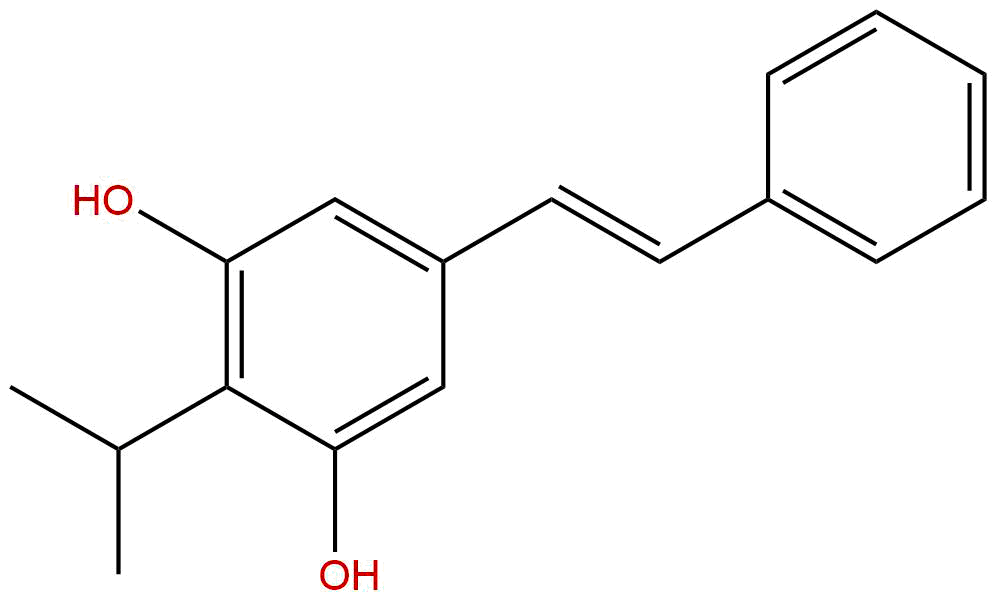
Psoriasis is a chronic, recurrent, and inflammatory skin disease, whose pathological mechanism involves multiple links such as abnormal activation of the immune system, excessive proliferation of keratinocytes, and angiogenesis, seriously affecting the quality of life of patients. Traditional treatments such as glucocorticoids and vitamin D3 derivatives are effective, but long-term use can lead to local side effects or reduced efficacy; Although biologics have significant therapeutic effects, they have limitations such as high cost, need for injection administration, and potential risk of infection. Therefore, developing new, efficient, safe, and easy-to-use local therapeutic drugs has become an important research direction in this field. In this context, innovative drug development derived from natural products has demonstrated unique advantages. Tapinarof, also known as 3,5-dihydroxy-4-isopropylstilbene, is a substance derived from Natural small molecule compounds found in the metabolites of soil bacteria (mainly slime bacteria)Its research and development code is WBI-1001. as Efficient agonists of aromatic hydrocarbon receptors (AhR)By regulating multiple signaling pathways closely related to psoriasis pathology, phenemode exhibits excellent anti-inflammatory, immune regulatory, and promotion of normal keratinocyte differentiation activity. Its unique dual mechanism of action - regulating immune inflammation and directly acting on skin barrier cells - has made it a rising star in the field of skin disease drug development in recent years. This article aims to systematically review the chemical properties, sources, pharmacological activities, mechanisms of action, drug properties, and clinical application prospects of phenemode, in order to provide reference for related research and clinical practice.
Chemical structure and physicochemical properties
The chemical name of phenemode is 1- (2-isopropyl-5- [(3E) -4-phenylbut-3-en-1-yl] phenyl) ethan-1-one, with a CAS number of 79338-84-4. Structurally, it is a Stilbene derivatives The core structure is composed of two benzene rings connected by an vinyl bridge, one of which has isopropyl and acetyl groups attached to it, and the other benzene ring is connected to it through a butenyl chain. This structure endows it with a certain degree of hydrophobicity and planarity, which facilitates ligand binding pocket interactions with target proteins such as AhR.
The key physicochemical parameters are as follows: molecular weight of 254.3290, calculated lipid water partition coefficient (LogP) of 4.5859, indicating that the compound Has high lipophilicity The topological polar surface area (TPSA) is 40.4600 Å ², which is relatively small and consistent with its molecular structure characteristics. The water solubility test value is 0.0234 mg/mL, which belongs to Insoluble compound This poses a challenge to the development of its formulations, typically requiring the use of suitable carriers or dosage forms (such as creams, ointments) to enhance the bioavailability of local administration. In the preliminary evaluation of drug properties, phenemode showed High blood-brain barrier permeability potential This is mainly based on its physicochemical properties prediction, but as a topical drug, the systemic exposure is extremely low, and this characteristic has little clinical significance. There is no significant hERG potassium channel inhibitory activity (indicating a low potential risk of arrhythmia), and the Ames test result is negative (0.0), indicating that in the preliminary screening No mutagenicity It has a good foundation of security.
Plant sources and extraction methods
It is worth noting that phenemode does not originate from higher plants in the traditional sense, but rather Microbial secondary metabolites Outstanding representatives. It originally originated from a class called Myxobacteria Separated and identified from soil bacterial cultures. Myxobacteria are renowned for their complex life cycle and the production of diverse bioactive secondary metabolites, making them an important source of lead compounds for natural medicines.
The original extraction and separation process usually involves the following steps: first, large-scale liquid fermentation cultivation of the producing strain; Subsequently, the fermentation broth or bacterial cells are extracted using organic solvents such as ethyl acetate and methanol to enrich the lipophilic components; Subsequently, a series of chromatographic separation techniques such as silica gel column chromatography and high-performance liquid chromatography (HPLC) were used to repeatedly separate and purify the crude extract; Finally, its chemical structure was determined by spectroscopic methods such as nuclear magnetic resonance (NMR) and mass spectrometry (MS). However, in order to meet the demand for large quantities and high-purity raw materials in drug development and commercial production,Complete chemical synthesis route It has become mainstream. By designing efficient and stereoselective synthesis pathways, large-scale and cost controllable industrial production of phenemode can be achieved, ensuring drug quality and supply stability. This is a key step towards its successful clinical application.
Pharmacological activity research
The pharmacological activity research of phenemode mainly focuses on skin inflammatory disease models, especially psoriasis, and its core activity can be summarized as Strong anti-inflammatory and immune regulatory effects。
In various animal models of psoriasis, such as the mouse psoriasis like dermatitis model induced by imiquimod and the interleukin-23 induced model, topical application of phenemode cream can significantly improve skin lesion symptoms. Specifically manifested as:Quickly reduce redness, scales, and skin thickening Histopathological examination showed that it can effectively inhibit the excessive proliferation (spinous hypertrophy) and abnormal differentiation (keratinization insufficiency) of epidermal keratinocytes, reduce the infiltration of inflammatory cells such as neutrophils in the epidermis (reduced formation of Munro microabscesses). At the same time, it can significantly reduce the expression levels of various pro-inflammatory cytokines (such as IL-17, IL-22, IL-23, TNF - α) in the local skin lesions.
In addition to psoriasis, preclinical studies also suggest that phenemode is effective in Atopic dermatitis (eczema) Equally effective in the model, it can alleviate itching and reduce inflammation. Its anti-inflammatory effect is not limited to diseases driven by the Th17/IL-23 axis, but also has the potential to regulate other inflammatory pathways. In addition, some studies have also explored its role in Acne and skin photoaging The potential applications in various fields demonstrate its multifaceted skin pharmacological activities.
Mechanism of action and molecular targets
The study of the mechanism of action of phenemode is the core of its pharmacology, revealing a mechanism that Aromatic hydrocarbon receptor (AhR) as the center, multi-target and multi pathway synergy The network.
-
Core mechanism: Activation of aromatic hydrocarbon receptors (AhR)
Phenemode is a highly effective agonist of AhR (EC50=13 nM). AhR is a ligand activated transcription factor widely expressed in skin keratinocytes and immune cells such as Langerhans cells and T cells. After binding to AhR, phenemode promotes the translocation of AhR to the nucleus, forming heterodimers with AhR nuclear translocation protein (ARNT), which then binds to specific DNA sequences (heterologous response elements, XRE) to regulate the expression of a series of downstream genes. In the skin, the activation of AhR can:
- Promote normal differentiation of keratinocytes Upregulate the expression of skin barrier proteins such as filaggrin and chitin to repair skin barrier function.
- Inhibit excessive proliferation Normalize the proliferation of keratinocytes by regulating cell cycle related proteins.
- Regulating oxidative stress Inducing the expression of antioxidant enzymes (such as NQO1).
- Regulating immune response: Affects the activation and differentiation of dendritic cells and T cells, especially inhibiting the differentiation and function of Th17 cells.
-
Key downstream effect targets and pathways
Based on the target information you provided and existing research, phenemode affects the following key targets and pathways through AhR mediated and possibly AhR independent pathways, jointly exerting therapeutic effects on psoriasis:
- AMPK (PRKAA1) activation AMPK is a key regulator of cellular energy metabolism and inflammation. Phenemode may exert anti-inflammatory and inhibitory effects on cell overgrowth by activating AMPK, inhibiting pro-inflammatory and proliferative pathways such as mTOR.
- STAT3 (STAT3) signal suppression STAT3 is a key mediator of cytokine signaling, such as IL-6 and IL-22, and plays a central role in the proliferation and inflammation of psoriasis keratinocytes. Phenemode can effectively inhibit the phosphorylation (activation) of STAT3, thereby blocking its pro-inflammatory and pro proliferative signals.
- Inhibition of nuclear factor kappa B (NF - κ B, represented by RELA/p65) pathway NF - κ B is a classic pro-inflammatory transcription factor. Phenemode can inhibit the activation of NF - κ B and reduce the production of pro-inflammatory factors such as TNF - α and IL-8.
- Retinoic acid receptor (RARA, RARG) regulation Retinoic acid receptors are crucial in the differentiation and proliferation of epidermal cells. Phenemode may synergistically promote the normal differentiation of keratinocytes through interaction or cross dialogue with it.
- Regulation of protein kinase C (PRKCA) and MAPK (MAPK1/ERK) pathway These kinase pathways are involved in signal transduction for cell proliferation, differentiation, and inflammatory response. Phenemode may have an inhibitory effect on its activity, thereby alleviating the pathological process.
- ROR γ t (RORC) inhibition ROR γ t is the main regulatory transcription factor for Th17 cell differentiation. Phenemode can indirectly inhibit the transcriptional activity of ROR γ t through the AhR dependent pathway, thereby reducing the production of cytokines such as IL-17.
- Transient receptor potential vanillic acid subtype 1 (TRPV1) regulation TRPV1 is associated with itching and neurogenic inflammation. Regulating TRPV1 activity may be one of the potential mechanisms by which phenemode alleviates psoriasis related itching.
- Topoisomerase II alpha (TOP2A) effect TOP2A is associated with DNA replication and cell proliferation. Its impact may be indirectly related to the inhibition of excessive proliferation of keratinocytes.
In summary, phenemode triggers a series of cascade reactions by activating the "master switch" of AhR, correcting key pathological abnormalities in psoriasis lesions in multiple dimensions and targets, including inhibiting abnormal immune responses (Th17/IL-23 axis, etc.), promoting normal epidermal differentiation, inhibiting excessive proliferation and angiogenesis, thereby achieving comprehensive treatment of the disease.
Evaluation of drug properties and pharmacokinetics
As a drug designed for topical application, the pharmacological evaluation of pheniramide mainly focuses on its local safety, skin permeability, and limited systemic exposure.
- Local tolerance and safety Preclinical and clinical trials have shown that phenemode cream has good local tolerance. The most common adverse reactions are Folliculitis and contact dermatitis at the medication site It is usually mild to moderate, and there is a decreasing trend as treatment continues. It has no side effects such as skin atrophy and capillary dilation commonly seen in hormone drugs, nor does it have the black box warning (potential carcinogenic risk) of calcineurin inhibitors such as tacrolimus. The Ames test negative and lack of hERG inhibition data support a very low risk of systemic toxicity.
- Skin pharmacokinetics Phenemode has suitable lipophilicity (LogP~4.59), which is conducive to its penetration through the stratum corneum, reaching the epidermis and even the superficial dermis to exert its effects. The formulation technology (such as specific cream bases) is crucial for its bioavailability. Research has shown that it can be effectively distributed at the skin target site.
- Systemic pharmacokinetics Due to local administration and limited skin absorption, phenemode Extremely low whole-body exposure In clinical trials, even under the condition of maximum body surface area, the drug concentration in plasma is much lower than the EC50 value required to activate AhR, and there is no tendency for accumulation. This greatly reduces the risk of systemic adverse reactions and is one of its major advantages as an external medication. Its metabolism mainly involves oxidation and binding reactions in the liver, and metabolites are excreted through the kidneys and feces.
Clinical application prospects and prospects
Tapinarof 1% cream has been approved by the US FDA for use in 2022 Treatment of adult plaque psoriasis This marks its official transition from laboratory to clinical practice. Its clinical application prospects are broad and may expand in multiple directions:
- Long term management and maintenance treatment of psoriasis Clinical trials have shown that phenemode has a rapid onset of action and exists after discontinuation Long remission period(Some patients can take several months), which is a significant characteristic that distinguishes it from most existing topical medications. This makes it highly suitable as a long-term management medication for mild to moderate psoriasis, reducing recurrence frequency and hormone dependence.
- Treatment of atopic dermatitis (AD)Its anti-inflammatory and skin barrier repairing mechanisms are highly compatible with the pathological needs of AD. Phase III clinical trials have confirmed its effectiveness and safety in adult and pediatric AD patients, and it is expected to become a new option for AD treatment.
- Other inflammatory skin diseases The therapeutic potential for diseases such as acne, seborrheic dermatitis, and lichen planus is currently being explored.
- combination therapy In the future, it is possible to explore the combination of local hormones, vitamin D analogues, or other novel targeted drugs to achieve synergistic effects, improve efficacy, or reduce their respective dosages to reduce side effects.
- Formulation optimization: Develop new dosage forms such as gel, foam and spray to improve patient compliance according to different parts (such as scalp, face and wrinkles) and patient needs.
- In depth exploration of the mechanism of action In addition to AhR, its direct or indirect mechanisms of action on targets such as AMPK and STAT3 still need to be further elucidated, which may reveal its new therapeutic applications.
In terms of challenges, it mainly includes: the need for better management strategies for local stimulus responses in some patients; Long term use (over one year) of safety data still needs to be accumulated; And as a new type of drug, its cost-effectiveness and accessibility are yet to be tested in the market.
Conclusion
Tapinarof is a model successfully developed from microbial resources, and its research and development process reflects the sustained value of natural products in modern innovative drug discovery. As the first approved topical AhR agonist, it effectively intervenes in the core pathological processes of inflammatory skin diseases such as psoriasis through a unique, multi-target mechanism of action, achieving multiple therapeutic effects of anti-inflammatory, immune regulation, and epidermal normalization. Its good local safety, limited systemic exposure, and long-lasting relief effect after discontinuation provide a new, non steroidal treatment option for patients with mild to moderate plaque psoriasis. With its expanded research in indications such as atopic dermatitis and deeper analysis of its molecular network, phenemode is expected to play an increasingly important role in the field of skin disease treatment. In the future, the optimization of dosage forms, exploration of combination therapy plans, and mechanism research around this compound will continue to maximize its clinical value and benefit a wider patient population.