| Catalog No | Package | Original Price | Price | Inventory | Quantity | Operating |
|---|---|---|---|---|---|---|
| BP5124-5mg | 5mg | $420.00 | Sign in |
|


Storage conditions:Short-term storage at 2~8℃, long-term storage at -20 ~ -80℃
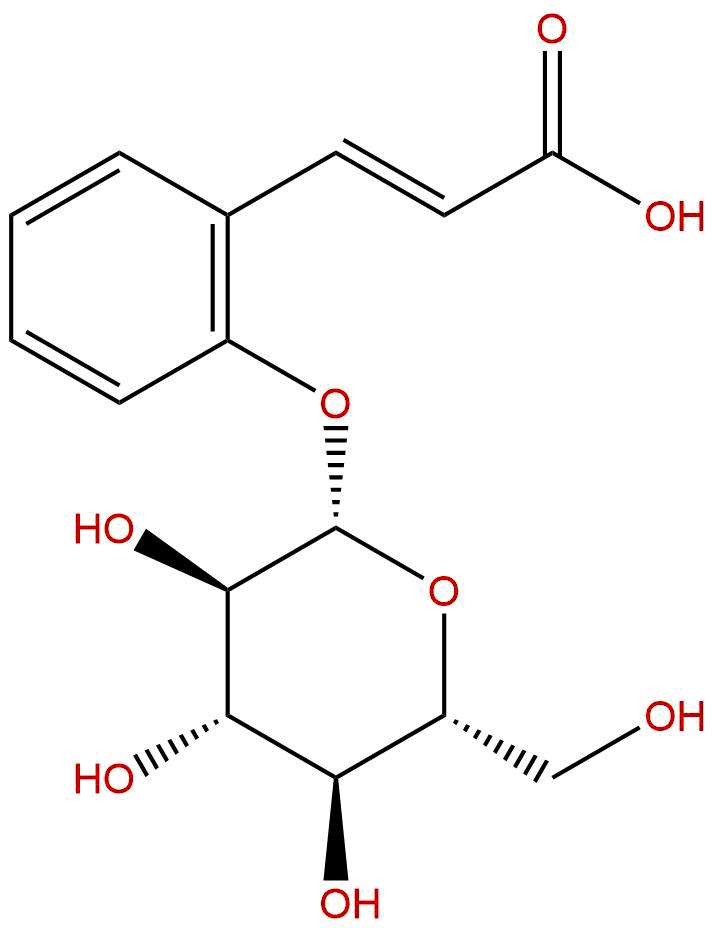
Trans Melilotoside (CAS number: 618-67-7) is a natural product with significant biological activity, first isolated from the plant Mikania laevigata. As a flavonoid glycoside derivative, luteolin has attracted widespread attention in recent years due to its unique chemical structure and diverse pharmacological activities, especially its potential applications in the field of anticoagulation. The imbalance of the blood coagulation system is closely related to various cardiovascular and cerebrovascular diseases, and the development of safe and effective anticoagulant drugs is an important issue in modern medicine. Melilotus glycoside exhibits excellent anticoagulant activity by regulating multiple coagulation related targets, providing new ideas for the research of natural anticoagulant drugs.
This article aims to provide a systematic review of the chemical structure and physicochemical properties, plant sources and extraction methods, pharmacological activity and mechanism of action, pharmacological evaluation and pharmacokinetic characteristics of verbascoside. Combining existing research, it explores its clinical application prospects and future development directions, providing theoretical basis and research references for natural product pharmacology and anticoagulant drug development.
The molecular formula of syringin is C15H18O8, with a molecular weight of 326.3010 Da, and it belongs to the trans isomer of flavonoid glycosides. Its structural features include a flavonoid core structure connected to a glucoside group through a glycosidic bond, forming stable glycoside compounds. The molecule contains multiple hydroxyl groups, giving it good water solubility (18.3357 mg/mL), which has a positive impact on oral absorption and in vivo distribution.
In terms of physical and chemical properties, the LogP value of verbascoside is -0.0992, indicating its strong hydrophilicity and weak lipid solubility, suggesting that it may be mainly transported through aqueous media in vivo. Its topological polar surface area (TPSA) is 136.68 Å ², and a higher polar surface area is conducive to forming hydrogen bonds with biomolecules, enhancing target binding affinity, but may limit its ability to penetrate cell membranes. The low permeability of the blood-brain barrier indicates that verbascoside is difficult to enter the central nervous system, reducing the risk of central nervous system side effects.
In terms of safety, verbascoside did not exhibit hERG channel inhibitory activity, indicating a low risk of cardiac toxicity; The Ames test result is 0.0, indicating that it has no significant mutagenicity and has a good safety basis.
Melidroside is mainly isolated from the Asteraceae plant Mikania laevigata. Mikania laevigata is a common medicinal plant in South America, traditionally used to treat respiratory diseases and inflammation. The plant is rich in various flavonoids and glycosides.
The common methods for extracting luteolin include:
In recent years, supercritical CO2 extraction and membrane separation technologies have also been attempted to be applied to the extraction and purification of syringin, in order to improve yield and green environmental protection level.
The pharmacological activity research of verbascoside mainly focuses on its anticoagulant effect. In vitro experiments have shown that verbascoside can significantly prolong thrombin time (TT), activated partial thromboplastin time (aPTT), and prothrombin time (PT), indicating its inhibitory effects on both endogenous and exogenous coagulation pathways.
In animal models, verbascoside has shown good anti thrombotic effects by oral or intravenous administration, reducing thrombus volume and vascular occlusion rate. Meanwhile, no obvious bleeding tendency was observed in the experiment, indicating that its anticoagulant effect is relatively mild and the safety window is wide.
In addition to anticoagulation, verbascoside also exhibits certain anti-inflammatory and antioxidant activities, which help alleviate endothelial damage and further exert antithrombotic protective effects.
The anticoagulant mechanism of verbascoside involves multiple coagulation cascade pathways, with the main targets including:
Molecular docking and bioinformatics analysis indicate that verbascoside can form stable hydrogen bonds and hydrophobic interactions with the aforementioned protein targets, regulate their activity, and exert comprehensive anticoagulant effects. In addition, its anti-inflammatory and antioxidant effects indirectly promote anticoagulation by inhibiting the NF - κ B signaling pathway and clearing reactive oxygen species, protecting vascular endothelial cells.
The pharmacological evaluation of verbascoside shows that it has good potential for drug development. The molecular weight of 326.3 Da conforms to Lipinski's rule, and the LogP is close to 0, indicating that its hydrophilic and lipophilic balance is moderate, which is conducive to in vivo absorption. A higher TPSA indicates a stronger polarity, which may affect oral bioavailability but also facilitate target binding.
Good water solubility, helpful for formulation development and in vivo distribution. The low permeability of the blood-brain barrier reduces the risk of adverse reactions in the central nervous system. No hERG channel inhibition and no mutagenicity, with high safety.
Pharmacokinetic studies have shown that the oral absorption rate of luteolin is moderate, the plasma protein binding rate is moderate, and it is mainly metabolized through the liver. The safety of the metabolites is good. Moderate half-life, suitable for daily administration. Its water solubility and polarity characteristics suggest that special formulation techniques may be needed to improve bioavailability.
As a natural anticoagulant active ingredient, luteolin has significant clinical application potential. The current anticoagulant drugs such as warfarin and heparin have problems such as high bleeding risk and complex drug interactions. Melilotus glycoside, with its multi-target regulation, low toxicity, and good safety, is expected to become a candidate for the new generation of anticoagulant drugs.
Future research should focus on:
In addition, the multiple pharmacological effects of verbascoside, such as anti-inflammatory and antioxidant effects, provide new research directions for its potential applications in vascular protection, chronic inflammation, and metabolic diseases.
As a natural flavonoid glycoside derived from Mikania laevigata, verbascoside exhibits excellent pharmacological activity and safety due to its unique chemical structure and multi-target anticoagulant mechanism. Its pharmacological parameters meet the requirements of modern drug development and have good clinical translational potential. In the future, through systematic pharmacological, toxicological, and clinical research, verbascoside is expected to become a new natural anticoagulant drug, providing effective treatment options for the prevention and treatment of cardiovascular and cerebrovascular diseases.
In summary, verbascoside not only enriches the research field of natural anticoagulant drugs, but also provides valuable examples for the development of multi-target and multi mechanism natural drugs. With the deepening of research, its clinical application prospects are worth looking forward to.
