Introduction/Overview
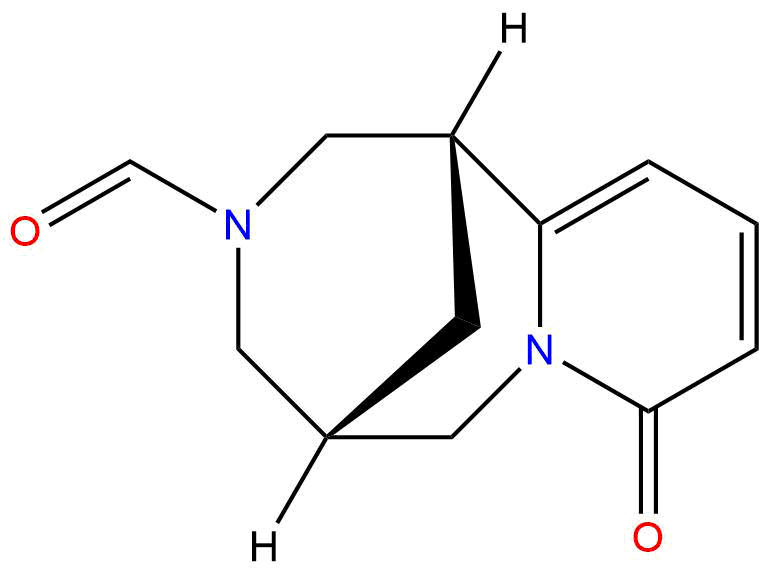
Arrhythmia is a common and serious cardiovascular disease, with a complex pathogenesis involving multiple aspects such as abnormal ion channel function in myocardial cells and disrupted electrical signal transmission. Despite the wide variety of existing antiarrhythmic drugs, there are generally problems such as insufficient efficacy, risk of arrhythmia, and significant side effects. Therefore, finding efficient and safe new antiarrhythmic lead compounds from natural products has always been an important direction for drug development. N-Formylcytisine (CAS: 53007-06-0) as a derivative from leguminous plants Maackia amurensis The quinolone alkaloids isolated from the stem bark of Korean locust have attracted attention from the pharmacological community in recent years due to their unique chemical structure and potential antiarrhythmic activity. The parent compound Cytisine, as a partial nicotinic acetylcholine receptor agonist, has been applied in the field of smoking cessation. However, the pharmacological spectrum of N-formyl Cytisine shows a completely different focus - targeting multiple cardiac ion channels. This article aims to provide a systematic review of the chemical properties, plant sources, pharmacological activities, mechanisms of action, pharmacological properties, and clinical application prospects of N-formylquercetin, in order to provide comprehensive academic references for the in-depth research and development of this compound.
Chemical structure and physicochemical properties
The molecular formula of N-formylquercetin is C12H14N2O2, with a molecular weight of 218.2560 g/mol. Its chemical structure is based on quinoline as the basic skeleton and is an N-formylation derivative of Cytisine. Specifically, a formyl group (- CHO) was introduced onto the tertiary amine nitrogen atom of the alkaloid, which significantly altered its electronic distribution and spatial conformation, thereby profoundly affecting its physicochemical properties and biological activity.
From the analysis of parameters related to drug properties, this compound exhibits the following characteristics:
1. Lipid water partition coefficient (LogP)The calculated value is approximately -0.1179, indicating that the compound has a high degree of hydrophilicity and tends to be distributed in the aqueous phase. This is more hydrophilic compared to the alkaloid itself (LogP about 0.5), and the introduction of formyl groups increases the polarity of the molecule.
2. Topological Polarity Surface Area (TPSA)The value of 42.31 Å ² is moderate, indicating that the molecule has a certain polarity, but not extremely high.
3. Water solubility The predicted value is as high as 17.6729 mg/mL, indicating that the compound is highly soluble in water. This is consistent with its negative LogP value, which is beneficial for its dissolution and distribution in aqueous media such as body fluids.
4. Blood-brain barrier permeability Predicted as' high '. Although it has strong hydrophilicity, its small molecular weight and specific molecular structure may still allow it to pass through the blood-brain barrier to a certain extent through passive diffusion or carrier mediation. This suggests that while paying attention to its peripheral cardiovascular effects, it is also necessary to evaluate the potential impact on the central nervous system.
5. Preliminary warning of hERG inhibition and genetic toxicity The data shows that its "hERG inhibition" is "no" and the "Ames test" result is 0.0, which is a very positive early safety signal. The inhibition of hERG potassium channels is the main mechanism by which many drugs induce acquired long QT syndrome and fatal arrhythmias, such as apical torsion ventricular tachycardia. Therefore, the absence of hERG inhibition suggests a lower risk of cardiac toxicity. A negative Ames test indicates that there is no direct genetic point mutation induction.
These physicochemical and early safety properties together depict a molecular image with good water solubility, potential central permeability, and low risk of early cardiac and genetic toxicity, laying the foundation for its subsequent pharmacological development.
Plant sources and extraction methods
N-formylquercetin mainly comes from Fabaceae, a genus of Sophora in the legume family(Sophora)Or the genus Ma'anshu(Maackia)Plants. The literature clearly records its origin from Maackia amurensis Rupr. et Maxim Separated from the stem bark. The Korean locust tree is mainly distributed in Northeast China, Korea, Japan, and the Far East of Russia, and its bark has a certain medicinal history among the people.
The extraction and separation of alkaloids in natural products usually follow the following process, and the acquisition of N-formylquercetin is no exception:
1. Raw material pretreatment Collect the stem bark of Korean locust, dry it and crush it into coarse powder.
2. Solvent extraction Acidic aqueous solutions (such as dilute hydrochloric acid, dilute sulfuric acid) or alcohol water mixed solvents (such as methanol water, ethanol water) are commonly used for leaching or reflux extraction. Acidic conditions are favorable for converting alkaloids into water-soluble salt forms.
3. Preliminary purification After concentration, the extract is alkalized (such as using ammonia water or sodium hydroxide) to free the alkaloids, and then extracted with organic solvents (such as chloroform, dichloromethane, ethyl acetate).
4. Separation and refinement The crude alkaloid mixture obtained is separated by column chromatography, often using silica gel column chromatography with solvent systems of different polarities (such as chloroform methanol gradient elution) for elution. Collect fractions containing the target compound by combining thin layer chromatography (TLC) or high-performance liquid chromatography (HPLC) monitoring.
5. appraisal By using spectroscopic methods such as nuclear magnetic resonance (NMR, including 1H-NMR and 13C-NMR), mass spectrometry (MS), and infrared spectroscopy (IR), and comparing with literature data or reference standards, the isolated compound was ultimately determined to be N-formylquercetin.
The application of modern technologies such as high-speed countercurrent chromatography (HSCCC) and preparative high-performance liquid chromatography (Prep HPLC) can further improve separation efficiency and purity.
Pharmacological activity research
The core pharmacological activity of N-formylquercetin focuses on Antiarrhythmic treatment Current research (mainly based on its relevant target information) strongly suggests that it is a multi-target ion channel modulator that may have therapeutic potential for various types of arrhythmias.
Its anti arrhythmic effect may be achieved by regulating the following key ion channels, whose functional abnormalities correspond to different mechanisms of arrhythmia occurrence:
* Fast Delay Rectified Potassium Current (IKr) Channel Composed of KCNH2 (encoding hERG protein) and KCNE2 subunit. IKr is the main current for phase 3 repolarization of ventricular action potential. Functional gain leads to shortened repolarization, while loss or inhibition of function results in prolonged action potential duration (APD) and QT interval. N-formylquercetin does not inhibit hERG, which may indicate that it does not induce acquired long QT syndrome, which is an important safety advantage. It may finely regulate IKr by modulating auxiliary subunits such as KCNE2 or channel gating properties.
* Slow delay rectifier potassium current (IKs) channel Composed of KCNQ1 and KCNE1 subunits. IKs are crucial for repolarization reserve during increased heart rate. Functional loss leads to Long QT Syndrome (LQT1). Regulating IKs is a strategy for treating certain inherited or acquired arrhythmias.
* Heart sodium channel (INa)Encoded by the SCN5A gene. Responsible for rapid depolarization of action potential phase 0. Functional gain leads to Brugada syndrome and certain ventricular tachycardia, while loss of function may result in conduction block. Sodium channel blockade is the main mechanism of class I antiarrhythmic drugs.
* L-type calcium channel (ICa-L)Encoded by the CACNA1C gene. Mediate calcium influx during the plateau phase, trigger myocardial contraction, and affect the automatic rhythm of pacemaker cells. Overactivation is associated with early afterdepolarization (EAD), delayed afterdepolarization (DAD), and certain ventricular arrhythmias. Calcium channel blockade is the basis of action for class IV antiarrhythmic drugs.
* Lanine receptor 2 (RyR2)Located on the sarcoplasmic reticulum, it is a key channel for calcium induced calcium release (CICR) in myocardial cells. Hyperfunction of RyR2 leads to diastolic calcium leakage, triggering DAD and activity, which is an important mechanism for arrhythmia in diseases such as heart failure and catecholamine sensitive ventricular tachycardia. Stable RyR2 is an emerging anti arrhythmic strategy.
Therefore, N-formylquercetin may restore the stability of myocardial electrical activity by synergistically acting on various ion channels such as sodium, potassium, calcium, as well as intracellular calcium release channels, and counteract arrhythmias caused by multiple mechanisms such as reentry, increased autonomy, or triggered activity. Its multi-target nature may bring broader therapeutic effects, but it also increases the complexity of studying the mechanism of action.
Mechanism of action and molecular targets
Based on the given target information, the anti arrhythmic mechanism of N-formylquercetin can be attributed to multidimensional and refined regulation of the electrophysiological characteristics of myocardial cells.
-
Regulation of repolarized potassium current:
- IKr(KCNH2/KCNE2)As a regulator that does not inhibit hERG, it may alter the gating dynamics of IKr channels (such as activation, inactivation, and deactivation rates) by binding to sites different from classical blockers or by affecting the KCNE2 helper subunit, thereby moderately prolonging or shortening APD and correcting abnormal repolarization processes without completely blocking the channel. This "regulating" rather than "blocking" mode may be safer.
- IKs(KCNQ1/KCNE1)May enhance or inhibit IKs current. During tachycardia, enhancing IKs helps accelerate repolarization, prevent excessive prolongation of APD and EAD; In some cases where the reserve of repolarization is insufficient, moderate inhibition of IKs may help prolong the effective refractory period (ERP) and terminate the reversal.
-
Regulation of depolarization sodium current:
- INa(SCN5A)It may manifest as a use dependent sodium channel blocker. The blocking effect is stronger when the heart rate is high (channels frequently open), while the impact is smaller at normal heart rate. This helps to suppress pathological rapid sodium currents (such as late sodium currents), which are closely related to arrhythmia in long QT syndrome type 3 and heart failure, while reducing interference with normal cardiac conduction.
-
Regulation of calcium homeostasis:
- ICa-L(CACNA1C)Moderate inhibition of L-type calcium current can reduce plateau calcium influx, lower intracellular calcium concentration, help suppress triggering activities caused by EAD and calcium overload, and weaken myocardial contractility (negative inotropic effect), which may be beneficial for ischemic heart disease complicated with arrhythmia.
- RyR2 This is a distinctive feature of its mechanism of action. N-formylquercetin may stabilize RyR2 directly or indirectly, reducing diastolic calcium leakage. This can effectively reduce the incidence of DAD and is of great value for the treatment of arrhythmias associated with abnormal calcium processing, such as heart failure, atrial fibrillation, and catecholamine sensitive ventricular tachycardia.
Integrated mechanism hypothesis N-formylquercetin may exert its effect through a "multi-target fine-tuning" strategy: in rapid arrhythmia, it inhibits the formation and conduction of abnormal impulses and accelerates repolarization by using dependent sodium channel blockade and IKs enhancement; When there is repolarization abnormality or calcium homeostasis disorder, regulating IKr, inhibiting late sodium current, moderately inhibiting ICa-L, and stabilizing RyR2 synergistically restore normal APD and intracellular calcium transients, eliminate EAD and DAD. This multi-target synergistic effect may broaden its anti arrhythmic spectrum, and due to its lack of direct inhibition of hERG, its arrhythmogenic risk is theoretically lower than many classical drugs.
Evaluation of drug properties and pharmacokinetics
Based on its physical and chemical parameters and early safety data, a preliminary evaluation of the pharmacological properties of N-formylquercetin is conducted
Advantage:
1. Excellent solubility The extremely high water solubility is beneficial for making various dosage forms (such as injections, oral liquids, tablets) and ensuring good dissolution and absorption in the gastrointestinal tract or blood.
2. Good membrane permeability potential Moderate TPSA and predicted high blood-brain barrier permeability indicate good membrane permeability, and oral bioavailability is expected, but the central effect should also be considered.
3. Outstanding early security The absence of hERG inhibition and negative Ames test are its most significant pharmacological advantages, greatly reducing the most concerning risks of cardiac and genetic toxicity in early development, paving the way for its entry into preclinical and clinical research.
4. Moderate molecular weight The molecular weight of 218 Da meets the criteria for drug like small molecules.
Potential challenges and research questions to be addressed:
1. Pharmacokinetic (PK) characteristics unknown Currently, there is a lack of specific experimental data on its absorption, distribution, metabolism, and excretion (ADME). Although it has good hydrophilicity, key PK parameters such as oral absorption degree, first pass effect, plasma protein binding rate, in vivo half-life, main metabolic pathways, and metabolite activity need to be elucidated through in vitro (such as Caco-2 cell model, liver microsomal metabolism experiment) and in vivo (animal experiment) studies.
2. Specificity and off target effects Multi targeted drugs often face selectivity issues. It is necessary to clarify the strength of its effect on cardiac ion channels (IC50/EC50) and selectivity ratio, evaluate its potential impact on ion channels in other systems such as the nervous system and smooth muscle, and predict side effects (such as neurotoxicity and blood pressure effects).
3. In vivo efficacy verification It is necessary to validate its efficacy and optimal dosing regimen on various animal models of arrhythmia, such as drug-induced, electrical stimulation, myocardial infarction, and heart failure models.
4. Dosage form and administration route Based on its solubility and target indication (acute or chronic arrhythmia), appropriate dosage forms need to be developed.
Clinical application prospects and prospects
As a novel multi-target antiarrhythmic natural product, N-formylquercetin has broad clinical application prospects, but the road ahead is long.
Potential application directions:
1. Broad spectrum antiarrhythmic therapy Its multi-target characteristics may make it effective for various arrhythmias such as atrial premature beats, atrial fibrillation, ventricular premature beats, and ventricular tachycardia, especially for complex and refractory arrhythmias.
2. Arrhythmia in the context of specific diseases Its stabilizing effect on RyR2 gives it unique potential in the treatment of arrhythmias closely related to calcium processing disorders, such as heart failure, myocardial hypertrophy, and catecholamine sensitive ventricular tachycardia.
3. Alternative drugs with potentially better safety Compared to existing drugs such as amiodarone (multi organ toxicity), quinidine (arrhythmogenic), and sotalol (hERG inhibition), N-formylquercetin without hERG inhibition may provide a safer option, especially for high-risk patients with long QT syndrome or when used in combination with other drugs.
4. lead optimization Its chemical structure can serve as a parent nucleus for systematic structural modification and structure-activity relationship research, in order to optimize its activity, selectivity, pharmacokinetic properties, and develop more clinically advantageous derivatives.
Future research prospects:
1. In depth study on the mechanism of action Using patch clamp technology, molecular docking, gene knockout/knock in cell or animal models, accurately elucidate its mode of action, binding site, and strength for each target (KCNH2, KCNQ1, SCN5A, CACNA1C, RyR2, etc.).
2. Comprehensive preclinical development The system completes pharmacological (multiple animal models), pharmacokinetic, and toxicological (acute, subchronic, chronic toxicity, reproductive toxicity, etc.) studies to evaluate its therapeutic window and safety.
3. Exploring the potential of combination therapy Given its multi-target nature, studying its synergistic effects with existing antiarrhythmic drugs or drugs for treating underlying diseases (such as beta blockers, ACEIs) may lead to the discovery of better treatment options.
4. Pay attention to the impact on the central nervous system The high blood-brain barrier permeability predicted by it requires research on its impact on the central nervous system, to clarify whether this will bring side effects (such as dizziness, tremors), or unexpectedly be used to treat certain central arrhythmias.
Conclusion
N-formylquercetin is a novel structure and unique mechanism of action quinolone alkaloid isolated from Sophora japonica. Its most notable feature is its ability to simultaneously target multiple key ion channels (KCNH2, KCNQ1, SCN5A, CACNA1C) on the myocardial cell membrane and the intracellular calcium release channel RyR2, thereby exerting potential broad-spectrum antiarrhythmic effects through multi-target synergistic regulation. Of particular importance, early data suggests that it does not inhibit hERG potassium channels and has no genotoxicity, demonstrating promising safety prospects. Although research on it is still in its early stages, the specific pharmacological strength, pharmacokinetic characteristics, and in vivo safety need to be further explored. However, N-formylquercetin undoubtedly provides a valuable lead compound for the development of antiarrhythmic drugs. In the future, through systematic chemical, pharmacological, and clinical research, it is expected to be developed into a new class of antiarrhythmic drugs with novel mechanisms of action and higher safety, or based on this, more excellent candidate drugs can be derived, bringing new therapeutic hope to cardiovascular disease patients.